
Surgery (Soft Tissue)
State-of-the-art soft tissue surgery with gentle anesthesia procedures and comprehensive monitoring. From routine procedures to complex operations – your pet is in safe hands with us.
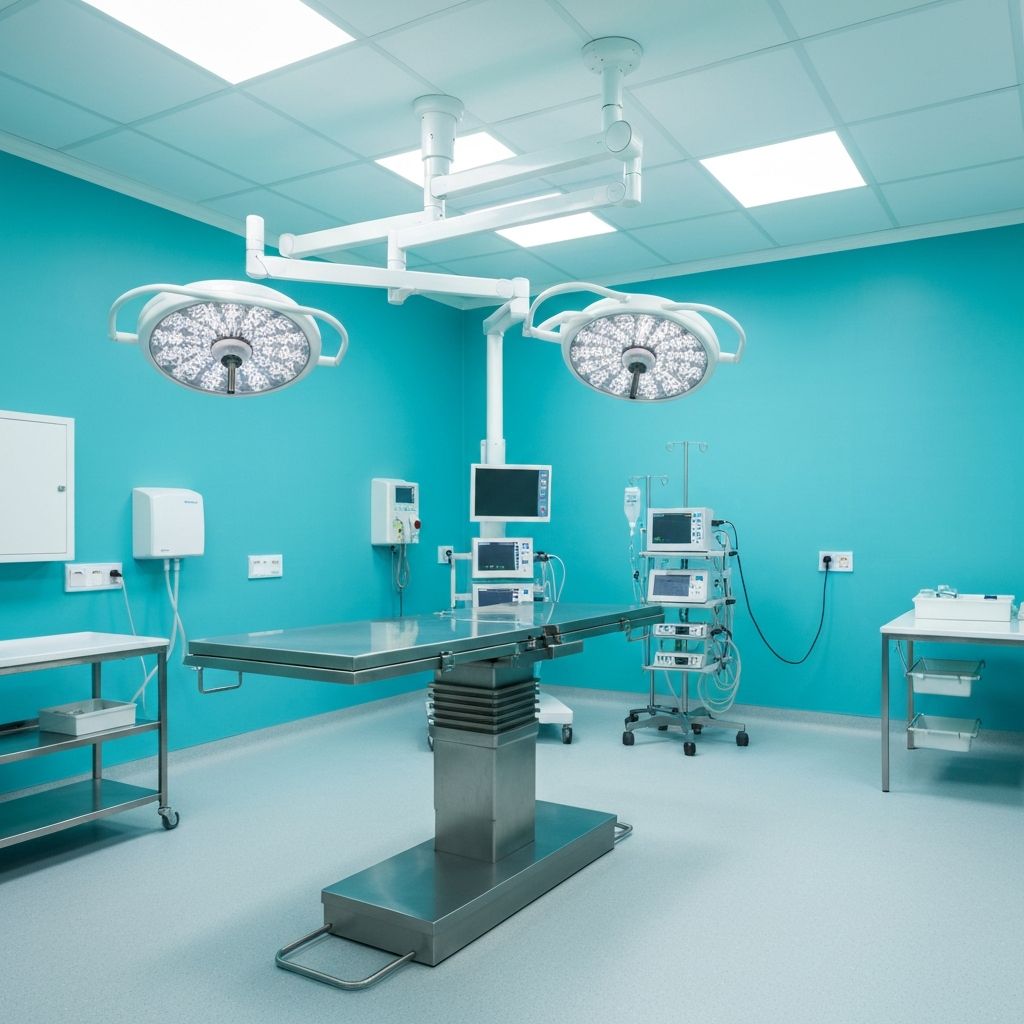
Safety is our top priority
Every surgery carries risks – that's why we rely on state-of-the-art equipment, experienced surgeons and comprehensive monitoring. From the initial consultation to complete recovery, we accompany you and your pet.
- Modern inhalation anesthesia with isoflurane
- Continuous monitoring (ECG, SpO2, blood pressure, temperature)
- Heating pads and infusion therapy during surgery
- Sterile surgical environment according to highest standards
- Experienced team of veterinarians and veterinary technicians
- Individual pain therapy before, during and after surgery
Before every surgery
- Comprehensive examination
Check general condition and anesthetic fitness
- Blood test
Recommended for older animals and those with pre-existing conditions
- Fasting
No food 12 hours before surgery, water until 2 hours before
- Consultation
We explain the procedure and answer all your questions
- Consent
Written consent form with emergency contact information
Soft Tissue Surgical Procedures
From routine spaying/neutering to complex tumor surgeries – we offer a wide range of surgical services.
Spaying/Neutering
Routine procedures for dogs, cats and small animals. Minimally invasive techniques also available for females.
Tumor Removal
Surgical removal of skin tumors, mammary tumors and other tissue changes with histological examination.
Wound Care
Treatment of bite wounds, cuts and abscesses. Suturing and drainage as needed.
Abdominal Surgery
Foreign body removal, gastrointestinal surgery, spleen removal and other procedures in the abdominal cavity.
Bladder & Urinary Tract Surgery
Removal of bladder stones, urethral surgery and treatment of urinary tract problems.
Emergency Surgery
Gastric torsion, internal bleeding, pyometra and other life-threatening conditions – quick action saves lives.
From Admission to Aftercare
We accompany you and your pet through every step – transparent and caring.
Pre-operative Consultation & Examination
We discuss the planned procedure, examine your pet and explain risks and the process. If needed, we recommend blood work.
Surgery Day: Arrival
You bring your fasting pet in the morning. We perform a final examination, place an IV catheter and prepare anesthesia.
Anesthesia Induction
Your pet receives gentle induction. Anesthesia is then maintained with isoflurane inhalation – highly controllable and gentle.
Surgery
The procedure is performed in our sterile surgical suite. A staff member continuously monitors all of your pet's vital parameters.
Recovery Phase
After surgery, your pet is monitored in a warm, quiet environment until fully stable. Pain medication is administered.
Pickup & Aftercare
You receive detailed instructions for home care. Follow-up appointments for wound healing and suture removal are scheduled.
Common Procedures in Detail
Information about our most frequently performed operations.
Spaying/Neutering Dogs & Cats
Spaying/neutering is a routine procedure that prevents unwanted pregnancy and can prevent certain diseases. In males, the testicles are removed; in females, the ovaries (and possibly the uterus) are removed.
Small incision, short surgery time, quick recovery
Abdominal incision, 10-14 days until suture removal
Tumor Removal
Skin tumors are common in older animals. Not every lump is malignant, but early removal and histological examination provide peace of mind. The earlier a tumor is detected, the better the chances of recovery.
Foreign Body Surgery
Dogs and cats sometimes swallow toys, socks, bones or other objects. If these don't pass naturally, surgical removal from the stomach or intestines is necessary – often as an emergency procedure.
Repeated vomiting, loss of appetite, abdominal pain, constipation or diarrhea
Tips for the Post-operative Period
Proper home care is essential for complication-free healing.
No running, jumping or climbing stairs for at least 10 days
Body suit or collar prevents licking and scratching of the suture
Check daily for redness, swelling or discharge
Administer pain medication and antibiotics as prescribed
Light food on surgery day, normal diet thereafter
Suture removal after 10-14 days, come earlier if abnormalities
Schedule a Consultation
Do you have questions about an upcoming procedure? We'll take time for a detailed consultation and address all your concerns.