
Dental Cleaning & Dentistry
Healthy teeth are essential for your pet's well-being. We offer professional dental care from preventive measures to the treatment of complex dental diseases.
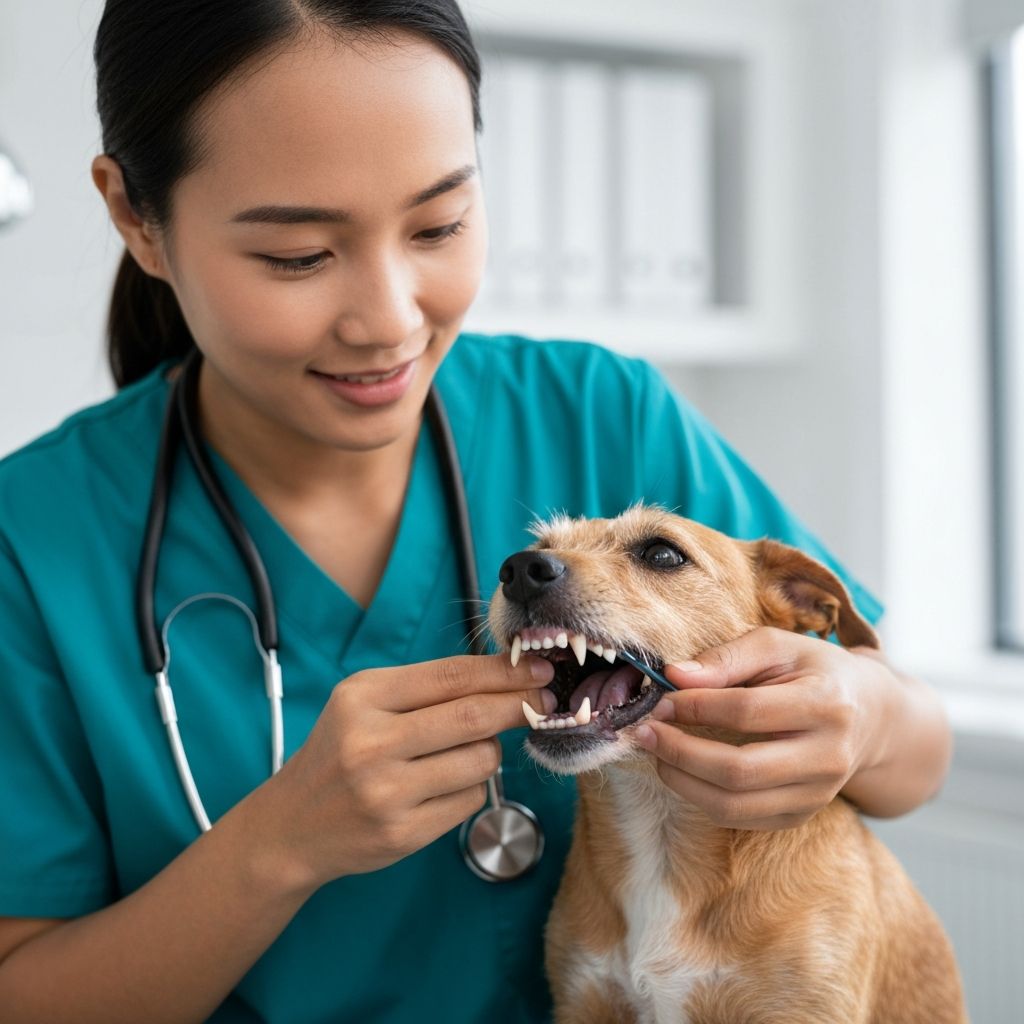
Why Dental Health Matters
Over 80% of dogs and cats over 3 years old suffer from dental problems. Untreated dental diseases can lead to serious health consequences – from pain while eating to heart and kidney diseases.
- Bacteria from the mouth can enter the bloodstream
- Chronic pain affects quality of life
- Tartar leads to gum inflammation (gingivitis)
- If left untreated, tooth loss and bone loss may occur
- Bad breath is often the first warning sign
Recognize Warning Signs
- Bad Breath
Often the first sign of dental problems
- Loss of Appetite
Pain while chewing leads to reduced appetite
- Excessive Drooling
Increased salivation may indicate inflammation
- Red Gums
Sign of gingivitis or periodontitis
- One-Sided Chewing
Animal avoids the painful side
- Paws at Mouth
Scratching or rubbing indicates pain
Our Dental Services
From preventive examinations to complex dental rehabilitation – we offer the full spectrum of veterinary dentistry.
Dental Examination
Regular examination of teeth, gums and oral cavity for early detection of problems.
Professional Cleaning
Removal of tartar and plaque with ultrasound and subsequent polishing under anesthesia.
Periodontitis Treatment
Therapy of gum inflammation and diseases of the periodontium.
Tooth Extractions
Gentle removal of non-viable teeth under safe anesthesia.
FORL Treatment
Diagnosis and therapy of painful tooth resorption, especially common in cats.
Preventive Advice
Tips for home dental care, suitable chew articles and dental care products.
How Professional Cleaning Works
Professional cleaning requires brief anesthesia to ensure safe and stress-free treatment.
Pre-Examination
General health check and possibly blood tests to prepare for anesthesia. For older animals or pre-existing conditions, we recommend a health check.
Anesthesia
Your pet receives safe, gentle anesthesia. During treatment, heart rate, oxygen saturation and temperature are continuously monitored.
Tartar Removal
Tartar and plaque are removed with ultrasound above and below the gum line – including in the interdental spaces.
Polishing
Tooth surfaces are polished to create a smooth surface where new tartar is less likely to adhere.
Examination & Treatment
Each tooth is examined individually. If necessary, diseased teeth are treated or extracted. You will receive a detailed report.
Recovery
Your pet wakes up in a warm, quiet environment under observation. Usually you can pick up your pet the same day.
Dentistry for All Species
Each species has its own dental characteristics that we know and take into account.
Dogs
Small breeds are particularly susceptible to tartar and tooth loss. Regular check-ups recommended starting at age 2.
- • Tartar common in small breeds
- • Tooth fractures from chewing
- • Misalignments in brachycephalic breeds
Cats
FORL (Feline Odontoklastic Resorptive Lesions) affects up to 70% of all cats over 5 years – early detection is important.
- • FORL – painful tooth resorption
- • Gingivitis-stomatitis complex
- • Tartar often less visible
Rabbits & Rodents
Continuously growing teeth require special attention. Misalignments can lead to life-threatening problems.
- • Correct dental misalignments
- • Trim overgrown teeth
- • Remove molar spurs
Tips for Healthy Teeth at Home
With proper care, you can prevent dental problems and support your pet's dental health.
Best done daily with special pet toothpaste and brush
Denta sticks, chew bones or special chew toys
Dry food and special dental diets can help
At least once a year with your veterinarian
Familiarize your pet with mouth handling from a young age
If bad breath or loss of appetite occurs, see a veterinarian promptly
Have Your Pet's Teeth Checked
Schedule an appointment for a dental check-up. We'll be happy to advise you on optimal dental care for your pet.